If you are on a journey to lose weight and eat healthier, you have probably been told to ditch white rice. In the search for nutritious whole-grain alternatives, two distinct champions often emerge: black rice and red rice. Both are packed with fiber, minerals, and antioxidants, but when it comes down to a black rice vs. red rice diet showdown, which one should you put on your plate?
In this comprehensive guide, we will break down the nutritional profiles, benefits, and differences to help you decide which rice is the ultimate weight-loss companion.
The Nutritional Powerhouse: Black Rice
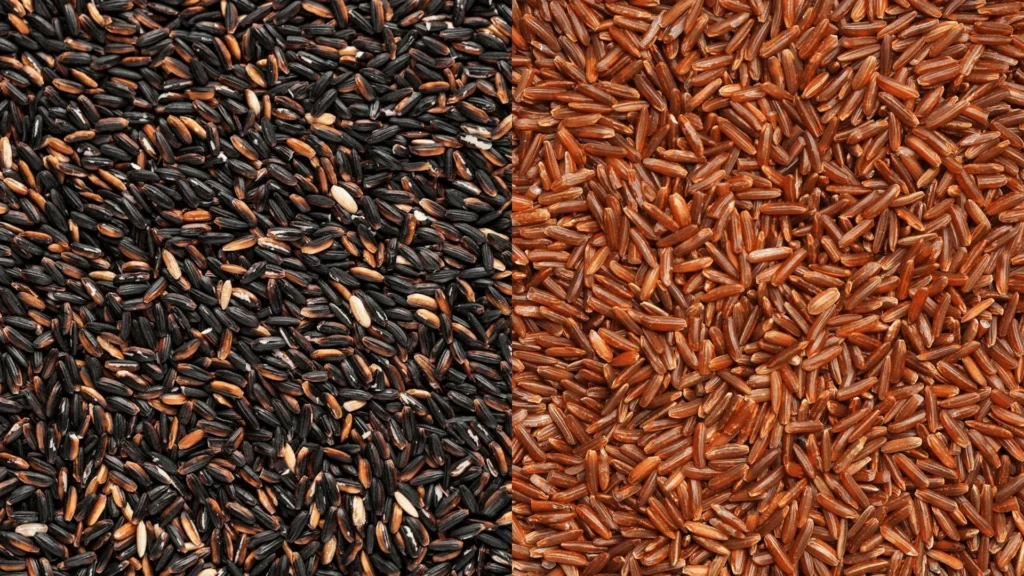
Historically known as “Forbidden Rice” in ancient China because it was reserved only for royalty, black rice is a nutritional goldmine. Its deep, dark purple-black color comes from an incredibly high concentration of anthocyanins—the same antioxidants found in blueberries.
Why Black Rice is Great for Dieting
When it comes to shedding pounds, black rice offers several unique advantages that make it a favorite among nutritionists.
Superior Antioxidant Levels
Black rice contains the highest level of antioxidants of any unpolished rice variety. Antioxidants help reduce inflammation in the body, which is crucial because chronic inflammation can hinder weight loss and slow down metabolism.
Rich in Protein and Fiber
Compared to brown and red rice, black rice boasts a slightly higher protein content. Combined with its dense fiber profile, it keeps you feeling full and satisfied for much longer, preventing those midday sugar cravings.
The Fiber Rich Contender: Red Rice
Red rice gets its vibrant color from an antioxidant called anthocyanin (though in different amounts and types compared to black rice). It is completely unhulled or partially hulled, meaning you get all the benefits of the bran layer.
Why Red Rice is Great for Dieting
Red rice is a fantastic, earthy-tasting grain that offers exceptional benefits for weight management and overall health.
Low Glycemic Index (GI)
Red rice has a very low Glycemic Index (GI). This means it digests slowly, causing a steady, gradual release of sugar into the bloodstream. This prevents insulin spikes, which are known to trigger fat storage and sudden hunger pangs.
Packed with Essential Minerals
Red rice is exceptionally high in magnesium and manganese. These minerals are vital for muscle health, regulating blood pressure, and supporting a healthy metabolism, making your workouts and diet efforts much more effective.
Head-to-Head: Black Rice vs. Red Rice
To determine which is truly better for your diet, let’s compare them side-by-side on the factors that matter most for weight loss.
Calorie and Macronutrient Comparison
Calories: Both grains are very similar, containing roughly 150-160 calories per cooked cup.
Fiber: Both are high in fiber, but red rice sometimes edges out slightly depending on the specific variety and how it is milled.
Protein: Black rice generally wins the protein battle, offering around 9 grams per 100 grams (uncooked), compared to red rice’s 7 grams.
Antioxidants and Inflammation
While red rice is incredibly healthy and rich in antioxidants, black rice is the undisputed king of anthocyanins. If your goal is to combat oxidative stress while losing weight, black rice takes the crown.
Accessibility and Taste
Red Rice: Nutty, slightly chewy, and widely available in most supermarkets. It pairs well with a variety of everyday curries and stir-fries.
Black Rice: Earthier, slightly sweet, and denser. It takes longer to cook and is often more expensive, but its premium nutritional profile makes it worth the investment.
The Final Verdict: Which Should You Choose?
So, black rice vs. red rice for diet—which is better?
The truth is, both are excellent choices for weight loss and are vastly superior to white rice.
Choose Black Rice if you want maximum protein and the highest level of antioxidants to fight inflammation.
Choose Red Rice if you want a highly accessible, low-GI grain that keeps your blood sugar perfectly stable and offers a comforting, nutty flavor.
Ultimately, the best choice is the one you enjoy eating and can sustain in your long-term diet.